
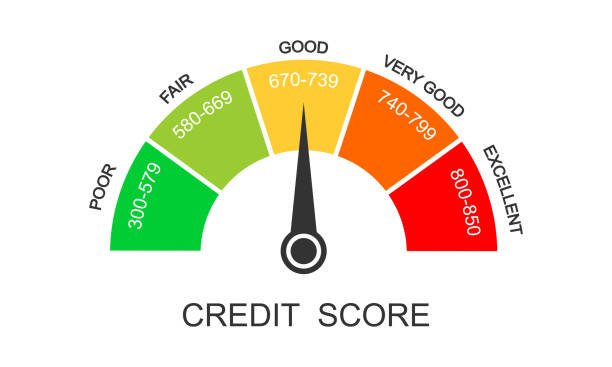
Like it or not, your credit score affects many aspects in life.
Having a low credit score leads to higher interest rates, difficulty securing loans, and in some cases, it could affect your ability to be hired in management positions. To add insult to injury, it is not a simple task to improve or maintain your credit score. There is a lot to understand! As this contributor to The Financial Diet had to learn the hard way, simply paying off her cards was actually a detriment to her credit score. She describes credit score as a ‘pay-to-play… in this case, play = spend money.”
Here are some general tips to know about improving your credit score. Of course, nothing beats speaking to a financial advisor who can tailor their advice to your individual needs. Many banks offer this service for free, so definitely check to see if you qualify for this service. There are also other free options, such as the NFCC.
First, Understand Yourself
The first step is to get real about your spending habits. This will affect which advice is good for you and which advice you shouldn’t take. For instance, some people can raise their scores by increasing their credit limit, and therefore lowering the amount of available credit they are using. But, if you’re someone who will increase spending and just max out another card, this will not benefit you. Sometimes the rules of credit score feel like a game, and some people can find the energy and interest to raise their score by “playing” – but it is not a game, and if that mindset will get you into trouble rather than help you, then don’t follow that advice!
There are many free resources to help you understand credit scores and how you spend money. Financial YouTubers explain things in a straightforward manner and give you actionable steps towards a better score. The more you know!
Check Your Report
On Annualcreditreport.com, you’re entitled to a free credit report every year. You need to know what’s going on with your score before you can try to improve it. So you’re looking for a general understanding of your report, plus any errors or inconsistencies that you need to dispute. Look for things that are too old to still be on your report, as well as signs of identity theft: names, social security numbers, and accounts that aren’t attached to you. If you never check your report, you’ll stay in the dark about anything that could be dragging your score down.
Automate Bill Payments
Late payments are terrible for your credit score. Payment history accounts for 35% of your overall FICO score! Automate your student loan payment, mortgage payment, and car loan payment, along with any other bills you can, even utilities. While utility bills don’t affect your credit score, they can if they’re ever sent to collections. Removing the possibility of human error and streamlining the process will certainly give your score a boost. But, don’t forget to review your statements for errors every once in a while. Out of sight can’t mean out of mind when it comes to money!
Pay Off Cards (But Don’t Stop Using Them)
Getting cards down to $0 by the due date is optimal. If that isn’t feasible, and it often isn’t, then make sure you make the biggest payment you can by the due date. You know how in movies they always cut up a credit card so the character can’t use it again? Yeah, don’t do that. (Unless you have a serious spending problem – this is where knowing yourself comes in handy!) Not using your cards actually hurts your credit. Creditors want to see you use your credit in a responsible manner. So while it may seem super responsible to not touch the card… it isn’t in their eyes. Here’s some additional information on how to use your credit cards strategically to improve your credit.
Keep Overall Credit Use Low
Consistently maxing out your cards (even if you pay them off) is a detriment to your credit score. The percentage of how much available credit you use affects your score, but it doesn’t matter how much credit you have. So if you have a $1,000 limit and you’re using $1,000 every month, that is bad for your score. You can contact your credit card company to see if you’re available for a credit increase, but definitely don’t continue to max out your card. If you can maintain that $1,000 spending on a $3,500 limit and pay it off every month, that will build better credit. Aim to use no more than 30% of your available credit. If you’re trying to improve your score, aim for something lower, like 10%.
Don’t Close Old Accounts
Length of account history makes up 15% of your FICO score. Which means that it is favorable to keep a line of credit open for a long time. Closing an account will also shrink your total available credit, which means your overall credit use will automatically be higher. This article from Experian has great guidelines for when it’s best to close a card and when it’s best to keep it open.
Wherever you are on your credit journey, there’s always something to understand a little better or some habit to refine. While it will sometimes feel like an uphill battle, don’t give up. Small changes will add up over time, and if you’re making an effort, you’re very likely to see an improvement.